

Summer Solstice Herbs: Grow, Harvest & Use Litha Plants at Midsummer
Learn which herbs and flowers peak at Litha (Summer Solstice) and how to use them through gardening, tea-making, herbal crafts, and seasonal rituals that deepen your connection with midsummer’s abundance.
By the time Litha arrives, the garden feels fully awake.
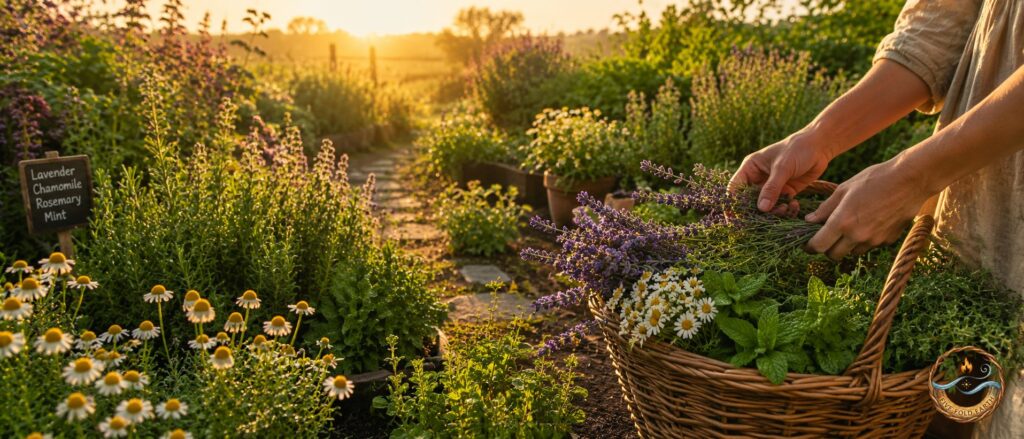
Bees drift lazily through blooming thyme while chamomile glows like tiny suns beside the path. Lavender releases its calming scent into the hot evening air, and hands come away green and fragrant after gathering mint for tea. Baskets slowly fill with herbs beneath the longest day of the year as everything seems to lean toward warmth, light, and growth.
Midsummer carries a fullness that is difficult to ignore. Herbs stretch rapidly toward the sun, flowers spill over pathways, and gardens hum with pollinators moving through the heat. Even a small patio planter can suddenly feel alive with movement and possibility.
“By Litha, the garden feels fully awake. Herbs stretch toward the sun, flowers spill over pathways, and everything seems infused with warmth and fragrance.”
Litha, also known as the Summer Solstice, marks the longest day of the year and the seasonal peak of sunlight before the gradual turning toward autumn begins. Across many historical midsummer traditions, this time of year was associated with gathering herbs, celebrating abundance, and spending long evenings outdoors beneath lingering sunset skies.
Historically, many people believed that summer solstice herbs carried heightened vitality beneath the strong midsummer sun. Herbs gathered near solstice were dried for winter teas, infused into oils, or hung inside homes as symbols of protection, wellness, and seasonal abundance.
Today, midsummer herbalism can be approached in a far more grounded and personal way.
Watering basil before sunrise, harvesting chamomile while the air is still cool, or drying lavender beside the kitchen window can all become small reminders to slow down and reconnect with the rhythms of the natural world.
For many people, summer herbalism offers a gentle form of mindfulness rooted in sensory experience:
- the scent of rosemary warming in sunlight
- cool mint leaves crushed between fingertips
- the sound of bees drifting through flowers
- fresh herbs steeping beside an open window
In a fast-moving world, even simple midsummer gardening tips can become invitations to pause and participate more fully in the season itself.
If you enjoy creating intentional seasonal rhythms, you may also love exploring these gentle nature-based midsummer practices or reflecting through solstice journaling and nature walks.
Why Harvest Herbs at Litha?
There is something special about gathering herbs at the height of summer.
Even modern gardeners who are not particularly spiritual often notice that herbs seem richer, fuller, and more aromatic around the Summer Solstice. Long daylight hours, warm temperatures, and rapid growth create an explosion of fragrance and flowering energy throughout the garden.
The Energy of Peak Summer
Litha arrives when gardens stop whispering and begin singing at full volume.
Lavender spikes open in waves of purple. Calendula blooms multiply almost overnight. Mint races through garden beds while rosemary and thyme release stronger fragrance beneath the heat.
Many of the best herbs for midsummer thrive during this season because warmth intensifies aromatic oils while encouraging flowering and pollinator activity.
- Chamomile
- Lavender
- Mint
- Lemon balm
- Rosemary
- Thyme
- Sage
- Calendula
- St. John’s Wort
Spring often carries the energy of beginnings, but midsummer invites us to notice what is already flourishing. What was planted earlier in the year now asks to be tended, harvested, preserved, and appreciated.
Traditional Midsummer Herb Lore
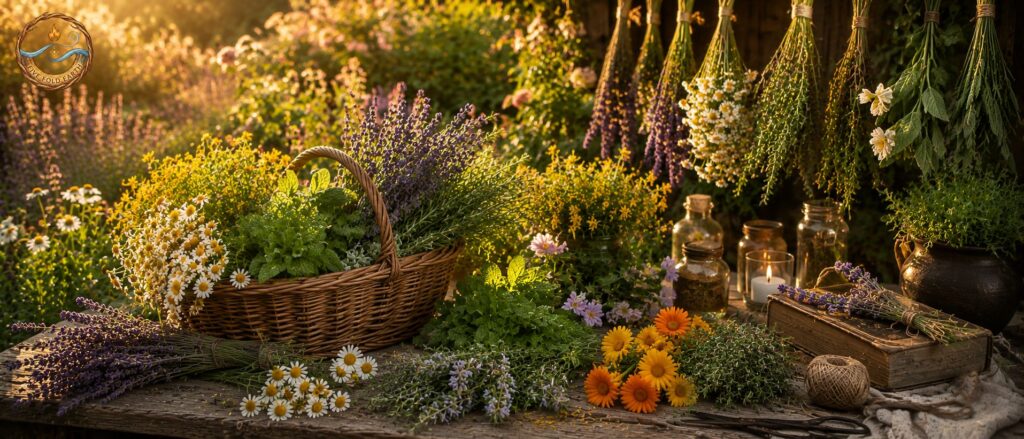
Across many historical midsummer traditions, herbs and flowers played an important role in seasonal celebrations. In parts of Europe, herbs were gathered at sunrise during the Summer Solstice because plants were historically believed to carry heightened vitality beneath the longest day’s sunlight.
Flowers were woven into garlands, herbs were dried near hearths, and midsummer plants became associated with:
- healing
- luck
- protection
- seasonal abundance
While modern readers may approach these customs symbolically rather than literally, they still offer a beautiful reminder that humans have long looked to seasonal plants for nourishment and connection.
If living seasonally resonates with you, you may also enjoy exploring the Wheel of the Year seasonal rhythms or learning more about gardening as a grounding spiritual practice.
The Science Behind Summer Potency
There is also practical science behind why many medicinal summer herbs are harvested during midsummer.
Strong sunlight supports photosynthesis, while heat increases aromatic oils in herbs like rosemary, thyme, and lavender. This is one reason herbs often smell strongest during hot weather.
Many herbalists recommend harvesting herbs in the morning after dew has dried but before intense afternoon heat arrives. During this time:
- essential oils are often more concentrated
- flowers are freshly opened
- leaves remain hydrated and tender
Research also continues to support the emotional benefits of spending time outdoors. According to Harvard Health Publishing, regular time in green spaces may help reduce stress and improve emotional well-being.
That may help explain why even simple acts like watering herbs or brushing lavender between your fingertips can feel calming during the height of summer.
Key Summer Solstice Herbs & Flowers
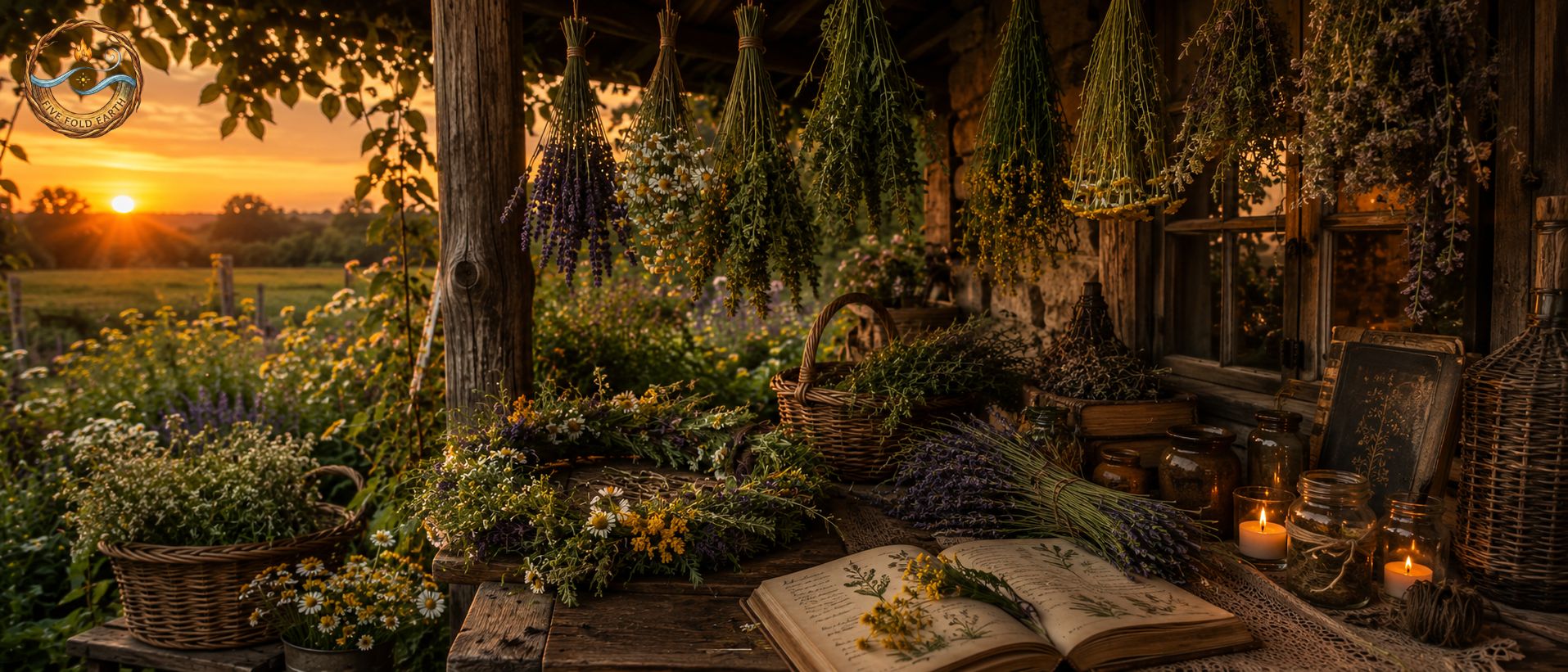
By midsummer, many herbs reach their most fragrant and vibrant stage of growth. Leaves become richer in aroma, flowers open fully to pollinators, and gardens begin overflowing with plants ready to be gathered and enjoyed.
Chamomile
Few herbs feel more connected to sunlight than chamomile. Its cheerful flowers resemble tiny suns scattered through the garden, blooming quietly even during intense summer heat.
Chamomile is commonly used for:
- tea blends
- bath soaks
- sleep sachets
- homemade skincare
Harvest chamomile flowers once dew has dried and blossoms are fully open for the best fragrance and flavor.
Its calming qualities pair beautifully with practices like simple meditation and mindful evening rituals.

Lavender
Lavender seems to hold the scent of summer inside its flowers.
By Litha, lavender spikes begin opening beneath the strongest sunlight of the year, attracting bees while filling gardens with fragrance. Lavender thrives in:
- full sun
- well-draining soil
- hot, dry conditions
Harvested lavender can be used for dried bouquets, tea blends, infused honey, linen sachets, and herbal baths.
Lavender reminds us that softness can still thrive beneath intense summer heat.

Mint, Lemon Balm & Rosemary
Mint and lemon balm flourish during warm weather while offering refreshing flavor during the hottest days of the season. Rosemary and thyme, meanwhile, become increasingly aromatic beneath long summer sunlight.
These classic Litha plants are perfect for:
- iced herbal teas
- sun tea blends
- drying bundles
- herbal oils
- pollinator gardens
Mint spreads aggressively through underground runners, so many gardeners prefer growing it in containers.
If you are interested in healing gardens, you may also enjoy exploring how to create a living apothecary garden or learning about the benefits of growing sage.

Calendula
Calendula carries the colors of midsummer in its petals.
Its fiery orange and golden blooms seem almost designed for the Summer Solstice season. Calendula petals are often used in:
- herbal salves
- tea blends
- bath rituals
- natural skincare
Scattering calendula petals across a table or drying them beside the kitchen window can become a beautiful way of bringing midsummer indoors.

Growing & Tending a Midsummer Garden
By the Summer Solstice, gardens shift from spring excitement into the steady rhythm of maintenance, harvesting, and care.
Heat intensifies, herbs grow rapidly, and pollinators become more active. Yet this season also carries a quieter kind of beauty. There is something deeply grounding about watering herbs before sunrise or harvesting basil while the evening air still radiates warmth.
Water Deeply, Not Constantly
One of the most important parts of summer garden care is learning how to water intentionally.
Deep watering encourages stronger root systems, while morning watering reduces evaporation before intense heat arrives. Mulch also becomes incredibly valuable during midsummer because it helps:
- protect roots from heat
- retain soil moisture
- suppress weeds
- support healthier soil
If you want to better understand healthy garden ecosystems, you may also enjoy learning about healthy garden soil practices.

Harvest Often for Bushier Herbs
One of the most satisfying parts of herbal garden maintenance is realizing that harvesting herbs often encourages more growth.
Pinching basil above a leaf node encourages bushier stems, while trimming mint, thyme, and oregano regularly helps plants remain fuller and more flavorful.
- Basil
- Mint
- Lemon balm
- Chamomile
- Calendula
- Thyme
A midsummer garden rarely asks for perfection. Mostly, it asks for attention.
Affiliate Links – Article Continues Below

Support Pollinators During Summer Heat
By midsummer, pollinators are working hard.
Bees absolutely adore:
- lavender
- thyme flowers
- basil blooms
- oregano blossoms
- calendula
Simple ways to support pollinators include:
- placing shallow dishes of water outdoors
- avoiding pesticides
- allowing herbs to flower naturally
- keeping portions of the garden slightly wild
Watching bees drift through lavender on a hot evening can become its own kind of meditation.
Plant for Late Summer & Autumn
Midsummer is not only a time for harvesting. It is also a bridge into the next season.
Depending on your climate, late June and July can still be wonderful times to sow:
- lettuce
- bush beans
- dill
- cilantro
- calendula
Even while harvesting abundance, the garden is already preparing for what comes next.
Create with Midsummer Plants
One of the most beautiful parts of summer herbalism is how naturally it invites creativity into everyday life.
A handful of mint becomes evening tea. Lavender tied with twine turns into a drying bouquet beside the kitchen window. Calendula petals scattered across a table suddenly make an ordinary afternoon feel softer and more intentional.
Brew Solstice Sun Tea
Few midsummer rituals feel as refreshing as making herbal sun tea.
Beautiful herbs for midsummer sun tea include:
- mint
- lemon balm
- chamomile
- lavender
Fresh herbs can be added to a clear glass jar of water and placed briefly in sunlight before refrigerating.
- Fresh mint
- Lemon balm
- Chamomile flowers
- Cold filtered water
Steep briefly in gentle sunlight, then refrigerate and serve over ice.
Because summer temperatures rise quickly, avoid leaving sun tea outdoors in extreme heat for extended periods.


Make Herb Bundles & Drying Bouquets
Drying herbs is one of the oldest and most satisfying ways to preserve midsummer abundance.
Fresh stems of lavender, rosemary, thyme, and sage can be gathered into small bundles and hung upside down in shaded spaces with good airflow.
Drying herbs away from direct sunlight helps preserve:
- fragrance
- color
- essential oils
- flavor
Within a few weeks, kitchens begin filling with the earthy scent of dried summer plants.
Create Floral Crowns or Garden Mandalas
Midsummer has long been associated with flowers.
Creating floral crowns or temporary garden mandalas can become a simple and mindful way to honor the season. Beautiful flowers for midsummer projects include:
- lavender
- calendula
- roses
- chamomile
- yarrow
These projects are not about perfection. They are about noticing texture, scent, color, and the temporary beauty of the season itself.
If you would like more inspiration, you can also explore these seasonal flower and nature craft ideas.
Affiliate Links – Article Continues Below

Make Sun Water
Sun water is one of the gentlest and simplest Litha crafts to create during the Summer Solstice season.
A bowl or glass jar is filled with fresh water and optionally decorated with herbs or flowers before being placed briefly in sunlight.
Many people later use sun water for:
- watering houseplants
- adding to baths
- refreshing indoor spaces
- quiet moments of reflection
At its heart, sun water simply becomes a way of pausing long enough to notice sunlight moving across herbs, flowers, and water during the brightest part of the year.

Bringing the Garden Into Everyday Ritual
One of the quiet truths of seasonal living is that the most meaningful rituals are often the simplest ones.
Clipping basil while making dinner.
Stepping barefoot into the garden after sunset.
Pausing long enough to smell rosemary warming in the evening heat.
Making tea from herbs gathered with your own hands.
“Sometimes seasonal living isn’t a ceremony at all. Sometimes it’s brushing your hand across rosemary on the way to water the tomatoes.”
Tea itself can become a form of seasonal mindfulness. Brewing chamomile or steeping fresh lemon balm invites a slower pace almost automatically.
Gardens do not demand perfection. They simply ask for consistency, patience, and care.
If you feel drawn toward slower and more intentional rhythms, you may also enjoy exploring the quiet wisdom of nature or these ideas for intentional morning sunlight rituals.
Conclusion
Litha and midsummer herbs are not about perfection or performance.
They are about paying attention.
They invite us to notice the season while it is fully alive around us. To gather herbs while bees move through lavender. To preserve abundance before autumn slowly begins returning. To slow down enough to smell basil, rosemary, and warm soil in the evening heat.
Whether you are growing a sprawling herb garden or tending a few pots beside a sunny window, midsummer offers an opportunity to reconnect with the living world in simple and tangible ways.
The Summer Solstice arrives like the earth holding a long golden breath. Litha invites us to pause inside that light for just a little while.
Reflection Prompts for Midsummer
- What in your life is flourishing right now?
- What still needs nourishment and care?
- What can be harvested or preserved before the season changes again?
However you choose to celebrate, may your midsummer be filled with sunlight, groundedness, and the quiet joy of growing things. 🌿☀️

Frequently Asked Questions
What herbs are associated with the summer solstice?
Traditional summer solstice herbs include lavender, chamomile, rosemary, thyme, sage, mint, lemon balm, calendula, and St. John’s Wort.
Why were herbs traditionally harvested at Midsummer?
Historically, many cultures believed herbs gathered around midsummer carried heightened vitality beneath the strongest sunlight of the year. Practically speaking, many herbs also naturally reach peak fragrance and growth during this season.
What plants bloom around Litha?
Common Litha plants and midsummer flowers include lavender, chamomile, calendula, roses, yarrow, bee balm, thyme flowers, and St. John’s Wort.
How do you preserve herbs from the summer garden?
The most common methods for preserving herbs include air drying, herbal vinegars, infused honey, tea blends, and freezing herbs for later use.
What can you do with summer solstice herbs?
Summer solstice herbs can be used in teas, herbal baths, infused oils, floral crafts, drying bouquets, infused honey, herbal vinegars, and seasonal mindfulness practices connected to gardening and nature.


