
5 Eco-Friendly Ways to Celebrate Litha (Summer Solstice) Naturally
Golden evening light lingers over the garden a little longer this time of year. Bees drift lazily through lavender stems. Bare feet press into warm soil still holding the heat of the day, while somewhere nearby, smoke curls softly from a backyard firepit into the fading sky.
There is something unmistakable about the energy of Midsummer. The world feels full. Alive. Almost overflowing.
Litha, also known as the Summer Solstice, marks the longest day and shortest night of the year. For centuries, cultures across Europe celebrated this turning point in the seasonal cycle with bonfires, flowers, feasts, dancing, and gatherings beneath the open sky. Many of these ancient Midsummer traditions centered around gratitude for sunlight, growth, abundance, and the life-giving rhythms of the earth.
Today, modern summer solstice celebrations have evolved into something more personal and accessible for many people. You do not need to follow a particular spiritual path or religion to appreciate the quiet beauty of seasonal living. In many ways, Litha simply offers an invitation to pause for a moment at the height of summer and reconnect with nature, yourself, and the changing rhythm of the year.
If you are new to seasonal spirituality, you may enjoy exploring the gentle foundations of nature-based spiritual living or the deeper seasonal framework behind the Wheel of the Year.
Many people find that simple seasonal rituals help create a stronger sense of grounding and emotional balance. Spending time outdoors, practicing mindfulness, journaling, gardening, or sharing meaningful traditions with loved ones can support emotional wellness and reduce stress. Research from the American Psychological Association also notes that spending time in nature may help improve mood, reduce anxiety, and restore attention.
The Summer Solstice reminds us that growth is not something we force. Much of nature blooms simply by remaining connected to light, water, and time.
These Litha rituals are not about perfection or elaborate ceremony. They are about presence. About noticing sunlight filtering through leaves. About gathering with people you love. About honoring the season in small, meaningful ways that feel grounded, sustainable, and real.
In this guide, we will explore a few gentle and eco-friendly Midsummer ideas to help you celebrate the solstice naturally, from sunrise reflections and flower crowns to seasonal meals, firelight, water rituals, and quiet moments outdoors.

Why Celebrate the Summer Solstice?
The Summer Solstice arrives at a fascinating moment in the seasonal cycle. The sun reaches its highest point in the sky, daylight stretches deep into the evening, and gardens seem to burst with life almost overnight. Everything feels vivid and awake.
Litha, the traditional name often associated with the Summer Solstice, marks the energetic peak of the year before the slow turning back toward autumn begins. Even though summer is only beginning, the solstice quietly reminds us that nature is always moving in cycles. Expansion eventually gives way to rest. Growth eventually asks for reflection.
That balance is part of what makes Litha rituals feel so meaningful for many people today.
While spring often carries the restless energy of becoming, Midsummer feels more like arriving. It is a season of warmth, abundance, vitality, creativity, movement, and gratitude. Yet beneath all that sunlight is also a softer invitation to slow down long enough to actually experience the life we have been building.
The Summer Solstice sits at the edge between fullness and change, like a golden pause in the middle of the year.
Historically, Midsummer traditions were celebrated across many parts of Europe long before modern calendars and busy schedules disconnected people from seasonal rhythms. Communities gathered outdoors to light bonfires, weave flower crowns, dance beneath the lingering evening light, feast together, and collect herbs believed to be especially vibrant during the solstice season.
Many of these customs were rooted in simple observations of nature itself. Crops were growing. Pollinators filled the fields. Rivers warmed beneath the sun. The earth appeared fertile and alive. Celebrations often centered around gratitude for light, harvest potential, community, and the visible abundance of the natural world.
Today, modern summer solstice celebrations often look quieter and more personal. Instead of large communal festivals, many people celebrate through small rituals that create space for mindfulness, nature connection, and emotional grounding. A sunrise walk. A garden dinner. A few moments spent journaling outdoors. Lighting a candle at dusk. Sitting beneath trees without rushing anywhere.
There is something deeply regulating about intentionally noticing the seasons. Practices tied to seasonal living can help create steadier emotional rhythms in a world that often feels fast, digital, and disconnected. Studies continue to show that spending time in natural environments may help reduce stress levels, support mood, and improve mental clarity. Research from the Harvard Health Publishing notes that regular exposure to nature may positively impact emotional well-being and stress recovery.
For me, this is one of the most beautiful parts of seasonal rituals. They gently pull us back into relationship with time in a healthier way. Not productivity-driven time. Not countdown clocks and notifications. Just the quieter rhythm of sunlight, weather, gardens, breath, and change.
If you want to explore this deeper connection to seasonal rhythms, you may also enjoy reading about living in tune with the Wheel of the Year or practicing gentle earth-based grounding rituals throughout the changing seasons.
At its heart, celebrating Litha is less about recreating ancient customs perfectly and more about allowing yourself to fully notice the season you are standing in. The warmth. The abundance. The long evenings. The feeling of being alive inside the turning world.

1. Dawn Salutations and Sun Ceremonies
There is something unforgettable about sunrise on the Summer Solstice. The world feels suspended in a softer kind of quiet before the heat of the day arrives. Birds begin singing from hidden branches, dew gathers along garden leaves, and the sky unfolds in layers of peach, gold, and pale lavender like the earth slowly lighting a lantern.
Many traditional Litha rituals centered around honoring the sun, and it is easy to understand why. The Summer Solstice is the longest day of the year, a brief seasonal threshold where light seems to stretch endlessly across the landscape. Even a few mindful moments spent greeting the sunrise can feel grounding and restorative.
Watch the Sunrise Intentionally
One of the simplest summer solstice spiritual practices is also one of the most meaningful: quietly watching the sunrise without distraction.
You do not need elaborate ceremonial tools or a perfectly curated morning routine. A blanket on the grass, a warm mug between your hands, and a willingness to pause for a few moments is more than enough.
Some gentle ways to create intention during sunrise include:
- Journaling about what this season means to you
- Sipping herbal tea outdoors while listening to birdsong
- Practicing gratitude for small things that are growing in your life
- Watching the changing light without checking your phone
- Reflecting on how your energy has shifted since spring
I think this is part of why seasonal rituals feel so calming. They invite us to stop rushing long enough to actually notice where we are in the year and in ourselves.
If you enjoy beginning your mornings with intentional practices, you may also like these gentle sunrise grounding ideas that pair beautifully with the solstice season.
Sometimes the most powerful rituals are simply moments where we allow ourselves to be fully present.


Gentle Sun Salutations or Meditation
After sunrise, many people choose to continue their morning with slow movement or meditation. This does not need to be intense or highly structured. The goal is not performance. It is connection.
You might try:
- A few gentle yoga stretches in the morning light
- Simple breathing exercises beneath the trees
- A grounding meditation while sitting barefoot outdoors
- Visualizing warmth, vitality, and clarity moving through your body
- Quietly observing the sounds and sensations of the season
Even five or ten minutes can create a surprising sense of calm. Research from the NHS notes that mindfulness and meditation practices may help improve emotional well-being, reduce stress, and support mental clarity over time.
For beginners, I often think gentle breathing practices are one of the easiest places to start because they require nothing except your attention and a little stillness. If that resonates with you, these beginner-friendly mindfulness and meditation practices can pair beautifully with quiet solstice mornings.
Create a Solstice Intention
The Summer Solstice is often associated with abundance and growth, making it a thoughtful time to check in with yourself emotionally and spiritually.
Rather than creating rigid goals, I like to think of solstice intentions as gentle reflections. A way of noticing what is flourishing and what may need more balance moving into the second half of the year.
You might journal with questions like:
- What has grown in my life since spring?
- What deserves more of my energy and attention?
- What feels overextended or exhausted?
- What parts of myself need more rest?
- What do I want to carry forward into the rest of summer?
Simple Litha Morning Ritual Basket 🌞
- Herbal tea or infused water
- A journal and pen
- Fresh flowers or herbs
- A lightweight blanket
- A candle or lantern
- Seasonal fruit like berries or peaches
There is no perfect way to welcome the solstice sunrise. Whether your morning includes meditation, stretching, tea on the porch, or simply standing quietly beneath the early light for a few breaths, these small acts of awareness become meaningful because of the attention you bring to them.

2. Decorate with Seasonal Symbols
One of the most joyful parts of Midsummer is how naturally beautiful everything already feels. Wildflowers spill over garden beds, herbs hang drying from kitchen rafters, and ribbons flutter in the warm evening wind while the sunlight stretches late into the day.
Many traditional Midsummer traditions included decorating homes, gathering flowers, and weaving greenery into everyday spaces as a way of celebrating the fullness of the season. Even now, bringing natural elements indoors can shift the atmosphere of a home almost instantly. Rooms feel softer. Slower. More connected to the living world outside the windows.
For me, this is one of the gentlest forms of seasonal living because it does not require buying much of anything. Nature already offers so much texture, color, scent, and symbolism during the solstice season.
Make Flower Crowns or Wreaths
Flower crowns remain one of the most recognizable symbols associated with Litha rituals and traditional summer solstice celebrations. Historically, flowers and herbs were often gathered during Midsummer because they represented vitality, abundance, protection, and the flourishing energy of the earth at its seasonal peak.
Different natural elements carried symbolic meaning:
- Flowers symbolized beauty, abundance, and celebration
- Herbs represented vitality, healing, and protection
- Greenery reflected growth, life force, and connection to nature
You do not need elaborate floral arrangements to create something meaningful. Some of the most beautiful crowns and wreaths are made from simple garden cuttings, herbs, grasses, or wildflowers gathered thoughtfully and responsibly.
A few sustainable ways to approach an eco-friendly Midsummer celebration include:
- Using flowers grown in your own garden
- Supporting local flower farms or farmers markets
- Foraging only where permitted and never overharvesting
- Using reusable ribbons or natural twine
- Composting floral materials afterward
If you would like inspiration for creating seasonal floral crafts, these nature-inspired Beltane craft ideas also work beautifully for the Summer Solstice season.
There is something quietly healing about making things slowly with your hands while summer hums all around you.
Affiliate Links – Article Continues Below

Decorate Your Home Naturally
Seasonal decorating during Litha does not need to feel elaborate or expensive. In many ways, it is less about creating a perfect aesthetic and more about allowing your home to reflect the warmth and abundance unfolding outdoors.
Simple natural touches can make everyday spaces feel deeply comforting during the solstice season:
- Sunflowers gathered in old glass jars
- Lavender bundles drying near open windows
- Fresh herbs displayed in small ceramic pitchers
- Bowls of lemons, oranges, or seasonal berries
- Beeswax candles glowing during long evenings
- A small seasonal nature table filled with found objects
I especially love decorating with herbs during Midsummer because they engage more than just sight. Rosemary, mint, sage, lavender, and thyme fill a room with scent and texture while quietly reminding us of the season itself.
If you enjoy growing herbs at home, you may also appreciate exploring how to create a living herbal garden space that evolves naturally through the seasons.


Create a Summer Solstice Nature Altar
For some people, creating a small seasonal altar or nature table can become a calming way to pause and honor the turning of the season. This does not need to be religious or ceremonial. Think of it more as intentional seasonal decor that creates a sense of grounding and awareness within your space.
A Summer Solstice nature altar might include:
- Stones collected during walks
- Fresh flowers or greenery
- Feathers or natural found objects
- Small bowls of water
- Candles or lanterns
- Dried herbs
- Sun symbols, shells, or golden colors
There is no right or wrong way to arrange these spaces. Some people place them near windows where sunlight moves across the objects during the day. Others create outdoor tables on porches, patios, or garden corners where candles flicker softly after sunset.
The beauty of these small seasonal practices is that they gently invite mindfulness into everyday life. A bowl of herbs on the table. A candle lit during dinner. Flowers gathered from the garden. Tiny reminders that we are still part of the natural world, even inside busy modern lives.
If creating intentional spaces speaks to you, you may also enjoy these ideas for building calming seasonal spaces at home inspired by nature and the changing elements.
Affiliate Links – Article Continues Below

3. Share a Seasonal Feast
Some of the most meaningful summer solstice celebrations happen around a table.
Berries stain fingertips ruby red. Herbs release their scent in the warm evening air. Bread arrives still warm from the oven beside bowls of garden vegetables glistening with olive oil and fresh greens gathered earlier in the day. Somewhere nearby, lanterns begin flickering as the sky slowly deepens into gold and blue.
There is something deeply grounding about sharing seasonal food during Midsummer. It reminds us that abundance is not always about excess. Sometimes it is simply the feeling of enough. Enough sunlight. Enough laughter. Enough time outdoors with people we care about.
Celebrate Seasonal Abundance
Traditional Litha feast ideas often centered around whatever was fresh, growing, and naturally abundant during early summer. Seasonal foods carried symbolic meaning because they reflected the vitality of the earth itself during the height of sunlight.
Common foods associated with Midsummer include:
- Fresh berries
- Leafy greens and garden salads
- Herbs like mint, basil, rosemary, and thyme
- Edible flowers
- Honey and honey-based desserts
- Fresh vegetables from summer gardens
- Homemade bread and fruit dishes
Even a simple meal can feel special when it reflects the season around you. A bowl of strawberries picked that morning. Tomatoes still warm from the garden. Mint steeped into tea. These small sensory details naturally slow us down and reconnect us with the rhythms of nature.
If you enjoy seasonal gardening and harvesting your own ingredients, you may also like exploring the deeper connection between gardening and mindfulness throughout the Wheel of the Year.
Seasonal meals have a way of turning ordinary evenings into memories that linger long after summer fades.

Host a Backyard Picnic or Potluck
One of the loveliest things about Midsummer gatherings is that they do not need to feel formal. In fact, some of the most memorable solstice evenings are beautifully imperfect.
A few blankets beneath the trees. Lanterns glowing softly after sunset. Shared dishes passed between friends while cicadas hum in the background. There is comfort in gatherings that feel relaxed and unhurried.
A Summer Solstice picnic or backyard potluck can be as simple as:
- Fresh seasonal foods served outdoors
- A blanket spread beneath shade trees
- Mason jars filled with herbs or wildflowers
- Homemade lemonade or herbal iced tea
- Watching the sunset together without rushing indoors
I think communal meals are one of the quiet ways we reconnect with both nature and each other. Sharing food outdoors reminds us that humans were gathering around fires, fields, and harvest tables long before modern schedules filled every empty space.
Add Meaning Through Gratitude
You can also weave small moments of reflection into your gathering without making things feel overly ceremonial.
Sometimes the gentlest rituals are simply opportunities to pause and appreciate what is already present.
A few simple ideas include:
- Inviting everyone to share one thing they are grateful for this season
- Writing intentions or hopes for the coming months on small slips of paper
- Making a quiet toast to growth, friendship, and community
- Taking a collective moment to watch the sunset in silence
These tiny acts of awareness often become the moments people remember most.
Eco-Friendly Feast Tips
Part of creating an eco-friendly Midsummer celebration is allowing the gathering itself to remain simple, sustainable, and connected to the earth.
A few easy ways to reduce waste while hosting include:
- Using reusable dishes and silverware
- Choosing cloth napkins instead of paper products
- Buying local produce when possible
- Composting fruit peels and food scraps
- Serving realistic portions to reduce waste
- Decorating with garden flowers instead of disposable decor
There is something beautifully aligned about celebrating the abundance of the earth while also caring for it thoughtfully.
If you are growing herbs or vegetables at home this season, you may also enjoy learning more about cultivating useful herbs for seasonal living or exploring ways to create a more intentional healthy summer garden ecosystem.
At its heart, a Litha feast is not about creating a perfect tablescape or elaborate event. It is about gathering around the warmth of the season and allowing yourself to fully enjoy the sweetness of summer while it is here.

4. Connect with Nature
At the heart of many summer solstice celebrations is something beautifully simple: spending intentional time outdoors.
Not rushing through nature. Not multitasking beside it. Actually being with it.
The Summer Solstice arrives during one of the fullest moments of the natural year. Trees are heavy with leaves, pollinators drift lazily through gardens, and warm evening air carries the scent of herbs, soil, and sun-warmed grass. The earth feels awake in every direction.
For many people, this is where nature spirituality becomes less about belief systems and more about direct experience. Watching clouds move slowly across the sky. Feeling cool creek water against your feet. Noticing birdsong at sunrise. These moments may seem small, but they have a quiet way of restoring us.
Nature rarely asks us to become anything other than present.
Take a Slow Nature Walk
One of the gentlest grounding rituals for Litha is simply taking a slow walk outdoors with no destination beyond observation itself.
The goal is not exercise or productivity. It is awareness.
During the solstice season, nature is constantly offering subtle details we often overlook:
- Wildflowers opening along roadsides
- Bees moving between herbs and blossoms
- The sound of cicadas building in the evening heat
- Golden light filtering through tree canopies
- The changing scent of the air before sunset
You might bring a journal, camera, or sketchbook along with you, or simply walk quietly without needing to document anything at all.
Mindful walking practices may also support emotional wellness. According to the American Psychological Association, time spent in natural environments may help reduce stress and improve mood and attention restoration.
If you are looking for simple ways to deepen your connection to the natural world, these earth-centered grounding practices pair beautifully with slow summer walks.
Garden as a Spiritual Practice
Gardening may be one of the most natural forms of seasonal mindfulness.
There is a quiet rhythm to tending living things. Watering herbs at sunrise. Harvesting tomatoes warmed by afternoon light. Watching pollinators move from bloom to bloom while the garden shifts almost imperceptibly each day.
The garden reminds us that growth is cyclical rather than constant. Some plants flourish quickly. Others need patience. Some seasons produce abundance. Others ask us to rest, rebuild, and begin again.
This is part of why gardening feels so emotionally grounding for many people. It gently reconnects us with slower timelines and more natural rhythms.
Simple Litha garden practices might include:
- Tending herbs like sage, rosemary, mint, or lavender
- Harvesting seasonal vegetables
- Planting flowers that support bees and butterflies
- Creating small outdoor spaces for rest and reflection
- Working with the soil barefoot when possible
If you want to deepen this connection further, you may enjoy exploring the emotional wellness benefits of gardening or learning more about working with the grounding energy of the Earth element.


Water Connection Rituals
Water carries its own kind of healing presence during Midsummer.
After long hot days beneath the sun, water rituals often feel deeply restorative both physically and emotionally. Many traditional solstice customs included rivers, springs, lakes, or dew because water balanced the intense solar energy associated with the season.
Simple water-based eco-friendly summer solstice ideas might include:
- Swimming in a lake or natural body of water
- Visiting a creek or riverside trail
- Taking an herbal bath infused with lavender or mint
- Walking barefoot through morning dew
- Collecting “sun water” by leaving a glass jar of water in sunlight
There is something calming about allowing water to slow the nervous system after the intensity of modern life. Even washing your hands mindfully beneath cool running water can become a small grounding moment when approached with intention.
If water-centered rituals resonate with you, you may also enjoy exploring intentional water rituals inspired by nature or learning more about the emotional symbolism of the Water element.
Digital Detox for the Solstice
One of the most restorative things you can do during Litha may also be the simplest: unplug for a little while.
The modern world constantly competes for our attention. Notifications flicker endlessly. Screens follow us from morning until sleep. Even moments outdoors often become filtered through cameras, captions, and distractions.
The Summer Solstice offers a gentle opportunity to step outside of that noise, even briefly.
You might try:
- Leaving your phone indoors during sunset
- Taking a screen-free nature walk
- Eating meals outdoors without devices nearby
- Spending part of the day reading, journaling, or gardening instead of scrolling
- Watching the evening sky without documenting it
There is a quiet kind of healing that happens when we stop consuming for a moment and simply allow ourselves to experience the world directly again.
Litha does not ask us to escape modern life completely. Only to remember that we still belong to the living rhythms of the earth beneath all the noise.

5. Fire and Water Rituals for Litha
Few things feel more connected to the spirit of Midsummer than firelight at dusk and cool water beneath the heat of the sun.
For centuries, fire and water have appeared side by side in seasonal solstice traditions across many cultures. Fire reflected the height of the sun’s power during the longest day of the year, while water offered balance, renewal, and cooling restoration beneath the intensity of summer heat.
Modern Litha fire rituals do not need to feel elaborate or mystical to be meaningful. In many ways, the most grounding practices are often the simplest: lighting a candle with intention, gathering around a backyard firepit with loved ones, or quietly watching sunset light shimmer across water.
Fire reminds us to release. Water reminds us to soften. The Summer Solstice holds space for both.
Backyard Bonfire or Candle Ritual
Historically, bonfires were one of the most recognizable parts of traditional summer solstice celebrations. Communities gathered outdoors after sunset to celebrate the abundance of the season, share food, dance, and spend time together beneath the lingering evening light.
Today, many people adapt these traditions into smaller, more personal rituals that feel calming rather than ceremonial.
An eco-conscious solstice fire ritual might include:
- A small backyard firepit
- Beeswax candles placed along a table or porch
- Solar lanterns glowing softly at dusk
- A contained tabletop flame bowl
- Sitting quietly outdoors while watching candlelight flicker
There is something deeply grounding about firelight. It naturally slows conversation, softens the pace of the evening, and invites reflection in a way that modern lighting rarely does.
If you feel drawn to working symbolically with fire during the solstice season, you may also enjoy exploring the emotional and symbolic qualities of the Fire element or these gentle candle rituals for intention setting.

Release and Renewal Practice
The Summer Solstice marks a moment of fullness, but it also quietly reminds us that the wheel of the year is beginning to turn again. Because of this, Litha can become a thoughtful time to reflect on what feels nourishing in your life and what feels heavy or overdue for release.
One simple symbolic practice involves writing down fears, stressors, habits, or emotional patterns you no longer wish to carry forward.
You might:
- Write your thoughts on small pieces of paper
- Safely burn them in a fireproof bowl or outdoor firepit
- Speak intentions aloud afterward
- Spend a few quiet moments reflecting on what you want to cultivate moving forward
This does not need to feel dramatic or overly spiritual. Sometimes simply naming what has been weighing on you can create a surprising sense of emotional clarity.
If reflective writing practices resonate with you, you may also enjoy these calming approaches to journaling for emotional balance and mindfulness.
Create Sun Water
While moon water often receives more attention online, many people also enjoy creating simple “sun water” during the Summer Solstice season.
This practice is beautifully uncomplicated.
Place a clean bowl or glass jar of water in direct sunlight for several hours during the solstice day. Some people add herbs, flowers, or citrus slices nearby for visual beauty, though the water itself is typically left plain and uncovered only if it remains monitored and clean.
Afterward, the water can be used symbolically in gentle ways such as:
- Watering garden plants
- Adding to a ritual bath
- Refreshing a nature altar
- Washing hands mindfully before meditation or journaling
- Simply representing renewal and sunlight within your seasonal practice
I think practices like this feel meaningful because they encourage us to pause and interact more intentionally with ordinary natural elements we often overlook.
If water rituals interest you, you may also enjoy learning more about creating restorative ritual baths inspired by the changing seasons.

Fire Safety & Sustainability
Because many Litha traditions involve fire, it is important to approach these practices responsibly, especially during dry summer weather.
A few simple safety and sustainability guidelines can help keep your celebration both mindful and eco-friendly:
- Check local drought conditions and fire restrictions beforehand
- Keep water or sand nearby when using open flames
- Avoid burning synthetic materials or treated wood
- Use only fallen branches or responsibly sourced firewood
- Fully extinguish fires before leaving the area
- Choose reusable lanterns or candles whenever possible
Part of practicing an eco-friendly Midsummer celebration is remembering that honoring nature also means protecting it.
Tiny Apartment-Friendly Litha Rituals 🌞
- Light a single candle during sunset meditation
- Grow herbs on a windowsill
- Drink tea outdoors or near an open window
- Create a small bouquet using seasonal flowers
- Watch the sunset without screens or distractions
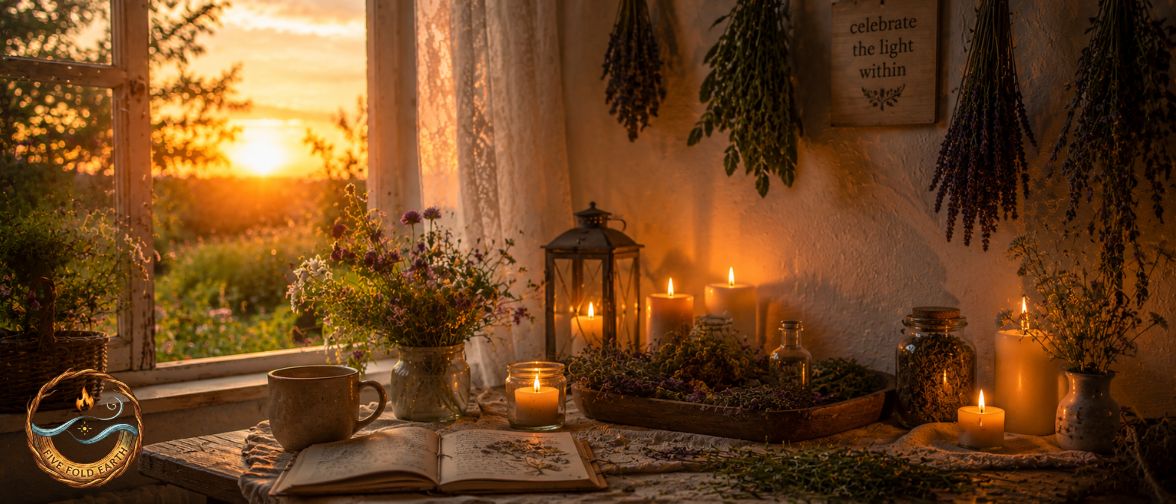
Litha rituals do not need roaring bonfires or sprawling outdoor gatherings to feel meaningful. Sometimes the quietest moments carry the most warmth: candlelight flickering against a wall, herbs drying in the kitchen, or the last sunlight of the longest day resting gently across the room.
Bringing It All Together
At its heart, Litha is less about doing everything perfectly and more about allowing yourself to fully experience the season while it is here.
The Summer Solstice does not ask for expensive decorations, complicated ceremonies, or highly curated rituals. It does not require you to follow a specific spiritual path or recreate ancient traditions exactly as they once were.
Instead, the beauty of Litha often lives in quieter places.
In sunlight warming the garden at dusk.
In herbs drying beside an open window.
In shared meals outdoors.
In tired bare feet after a long evening outside.
The most meaningful Litha rituals are usually the ones that help you feel more connected to yourself, the season, and the living world around you.
Seasonal rituals are less about escaping everyday life and more about learning how to fully inhabit it.
This is part of what makes summer solstice celebrations feel so grounding for many people. They gently interrupt the constant pace of modern life and remind us to notice where we are in the turning year.
Noticing matters.
Noticing the way evening light changes in June.
Noticing what has grown since spring.
Noticing what feels abundant and what feels exhausted.
Noticing the parts of yourself that still need rest, care, or renewal.
As the wheel of the year continues turning, the solstice offers a natural moment for reflection:
- What is flourishing in your life right now?
- What still needs tending?
- What are you grateful for in this season?
- What do you want to carry forward into the second half of the year?
There is no single “correct” way to celebrate Midsummer. Some people gather around bonfires with friends. Others spend the day quietly gardening, swimming, journaling, or watching the sunrise with a cup of tea in hand.
Both are enough.
You are allowed to create traditions that feel personal and authentic to your own life. You are allowed to adapt old customs gently. You are allowed to celebrate the season in ways that feel calm, grounded, creative, joyful, reflective, or beautifully simple.
If this style of seasonal living resonates with you, you may also enjoy exploring the deeper wisdom found within nature’s cycles or learning more about the Five Elements and their connection to emotional wellness.
The earth moves in rhythms whether we notice them or not. Litha simply invites us to slow down long enough to remember that we are part of those rhythms too.
The summer solstice arrives like the earth holding a golden breath. Litha invites us to pause inside that light for just a little while.

Frequently Asked Questions About Litha and the Summer Solstice
What is Litha?
Litha is a traditional seasonal celebration connected to the Summer Solstice, which marks the longest day and shortest night of the year. It is often associated with sunlight, abundance, vitality, growth, and the peak of summer energy.
Historically, many cultures celebrated Midsummer with bonfires, feasts, flowers, music, and outdoor gatherings that honored the changing seasons and the fertility of the earth. Today, many people approach Litha as a gentle form of seasonal living focused on mindfulness, nature connection, and intentional reflection rather than organized religion.
How do you celebrate the summer solstice naturally?
Natural and eco-friendly summer solstice celebrations can be beautifully simple. Many people choose to spend intentional time outdoors, gather seasonal foods, decorate with flowers or herbs, light candles at sunset, or practice grounding activities like gardening, meditation, journaling, or mindful walking.
Some popular Litha rituals include:
- Watching the sunrise
- Making flower crowns or wreaths
- Hosting a seasonal picnic or bonfire
- Creating nature altars
- Taking herbal baths
- Practicing gratitude and reflection
The focus is often less about strict tradition and more about reconnecting with the rhythms of nature and the fullness of the season.
Are Litha rituals religious?
Litha rituals can be spiritual for some people, but they do not need to be religious. Many modern Summer Solstice practices are entirely secular and focus on mindfulness, seasonal awareness, emotional wellness, and spending time in nature.
Some people celebrate Litha through historical pagan traditions, while others simply enjoy marking the changing seasons through gardening, outdoor gatherings, meditation, or personal reflection. Seasonal rituals can be adapted in ways that feel meaningful and accessible to people of many different backgrounds and belief systems.
What are traditional Midsummer activities?
Traditional Midsummer traditions varied across different cultures but often included outdoor celebrations tied to the height of summer and the abundance of sunlight.
Common historical activities included:
- Lighting bonfires
- Weaving flower crowns
- Dancing and singing outdoors
- Gathering herbs and wildflowers
- Sharing communal feasts
- Watching the sunrise or sunset
- Spending time near lakes, rivers, or forests
Many of these traditions continue today in modern forms through seasonal festivals, backyard gatherings, and nature-based summer solstice celebrations.
What foods are associated with Litha?
Foods traditionally associated with Litha and the Summer Solstice often reflect the abundance of early summer harvests. Seasonal ingredients are typically fresh, colorful, and connected to the warmth of the season.
Popular Litha foods include:
- Berries and stone fruits
- Leafy greens and garden vegetables
- Fresh herbs like mint, basil, and rosemary
- Honey and herbal teas
- Homemade breads
- Edible flowers
- Grilled seasonal vegetables
Many people also enjoy creating outdoor meals, picnics, or sunset dinners as part of their summer solstice celebrations.


